Mechanical Keyboard: The Ultimate Guide to Performance, Precision, and Productivity
In today’s digital world, typing efficiency and comfort play a critical role in both professional and gaming environments. A Mechanical keyboard has become the preferred choice for programmers, writers, gamers, and office professionals who demand superior responsiveness, durability, and tactile feedback. Unlike traditional membrane keyboards, a Mechanical keyboard uses individual mechanical switches under each key, delivering a more accurate and satisfying typing experience.
This comprehensive guide explores the features, specifications, advantages, and frequently asked questions about mechanical keyboards, helping users understand why they are considered the gold standard in modern typing technology.
What Is a Mechanical Keyboard?
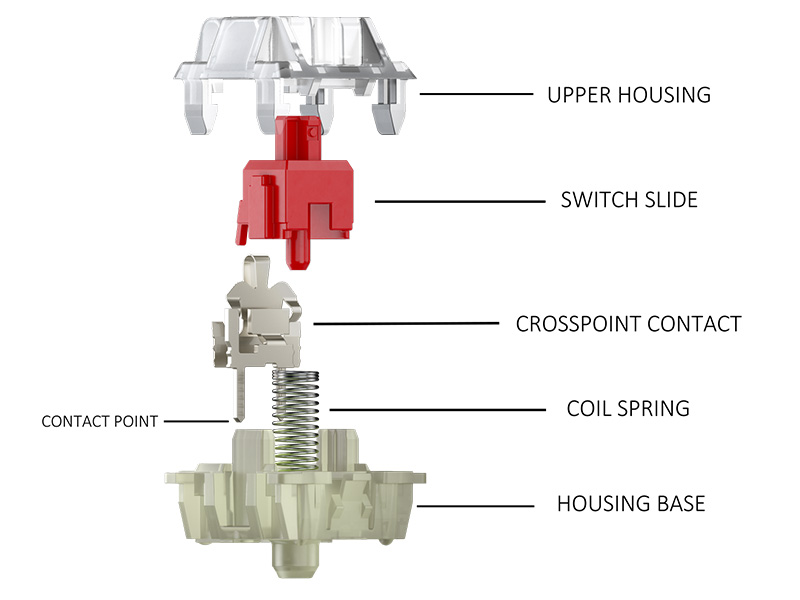
A Mechanical keyboard is a high-performance keyboard that uses mechanical switches for each individual key. Each switch consists of several components including a housing, spring, and stem. When a key is pressed, the switch activates and sends a signal to the computer, registering the keystroke with remarkable precision.
This design provides several advantages:
Faster typing response
Greater durability
Distinct tactile feedback
Customizable typing experience
Improved typing accuracy
Mechanical keyboards are widely used in gaming, programming, content creation, and professional office setups where reliability and speed are essential.
Key Features of a High-Quality Mechanical Keyboard
Precision Mechanical Switch Technology
At the heart of every Mechanical keyboard are its switches. These switches determine how a keyboard feels, sounds, and responds.
Common switch types include:
Linear switches – Smooth keystrokes without tactile bumps, ideal for gaming and rapid typing.
Tactile switches – Provide a noticeable bump when the key actuates, offering better feedback for typing.
Clicky switches – Produce both tactile feedback and an audible click, favored by users who enjoy classic typewriter-style feedback.
High-quality switches are rated for up to 50–100 million keystrokes, significantly outperforming standard membrane keyboards.
Durable Aluminum or ABS Construction
A premium Mechanical keyboard is typically built with a strong chassis using aircraft-grade aluminum or reinforced ABS plastic. This construction ensures long-term durability, stability, and resistance to daily wear and tear.
Key benefits include:
Enhanced structural rigidity
Minimal keyboard flex
Longer lifespan
Premium aesthetic design
Many modern mechanical keyboards also feature detachable cables and reinforced internal plates to improve stability.
High-Quality Keycaps
Keycaps play an essential role in the typing experience. Professional mechanical keyboards often use PBT keycaps, known for their durability and resistance to shine and wear.
Common keycap materials include:
PBT (Polybutylene Terephthalate)
Highly durable, textured surface, resistant to oil and wear.
ABS (Acrylonitrile Butadiene Styrene)
Smooth and lightweight, often used for RGB-enhanced designs.
Premium keyboards may also include double-shot or dye-sublimated legends, ensuring that the letters never fade even after years of use.
Detailed Product Specifications
A professional-grade Mechanical keyboard typically includes the following specifications:
Keyboard Type: Mechanical Gaming and Office Keyboard
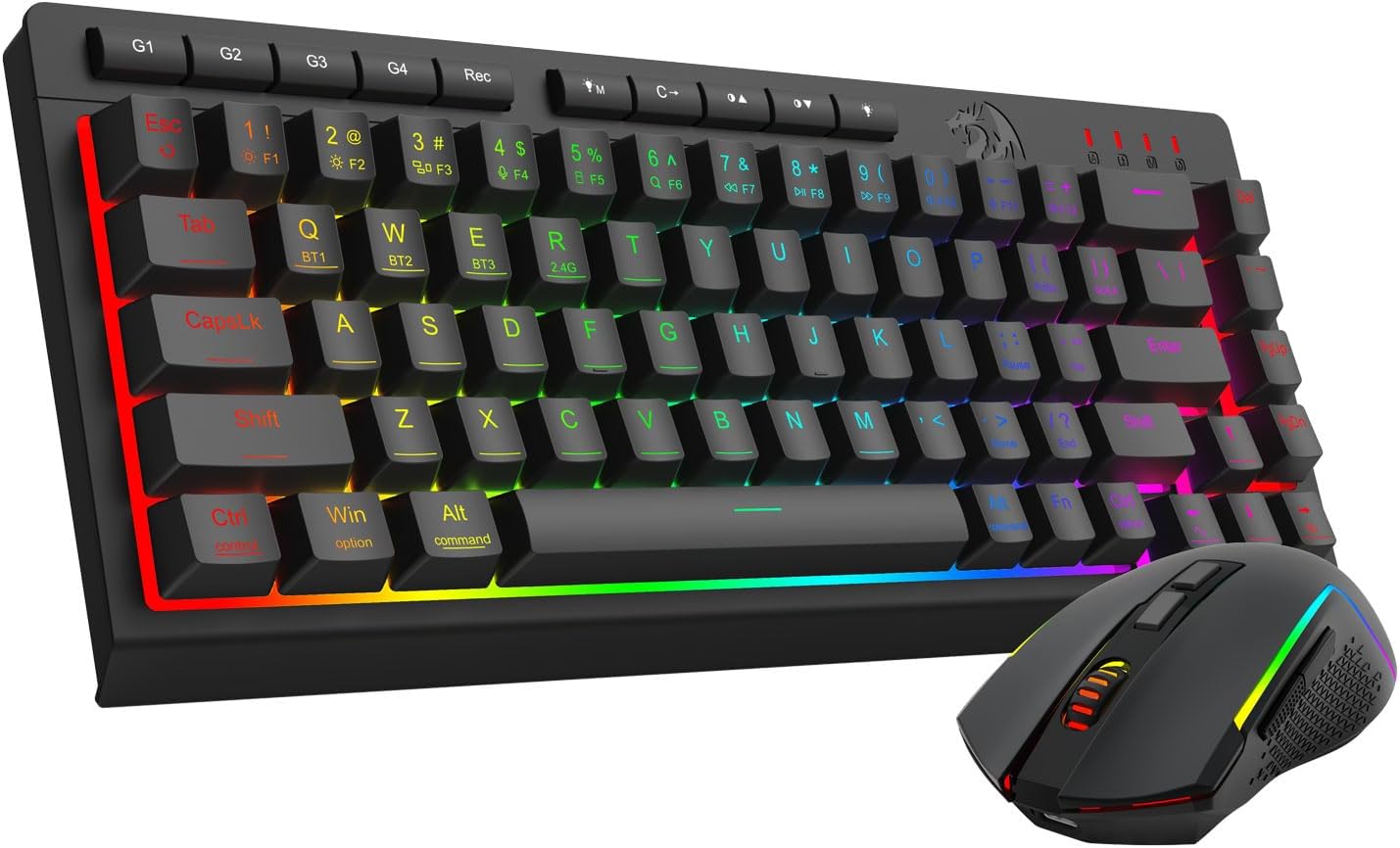
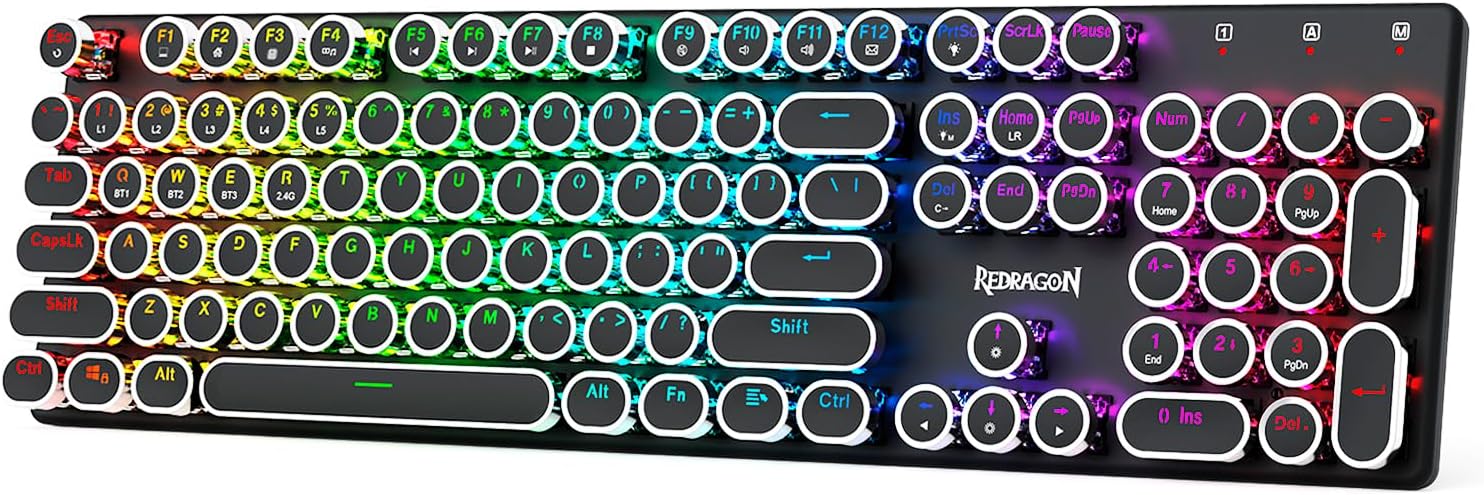
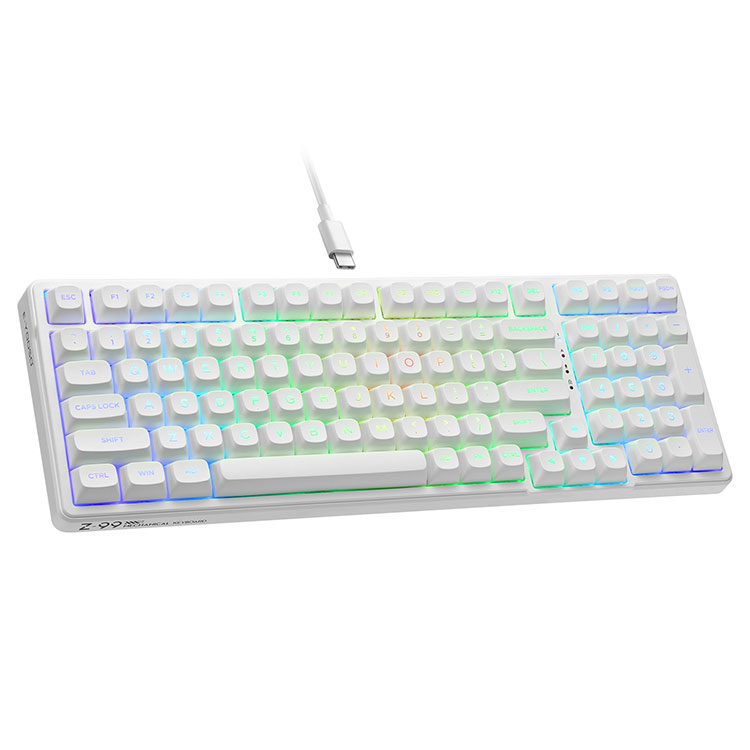
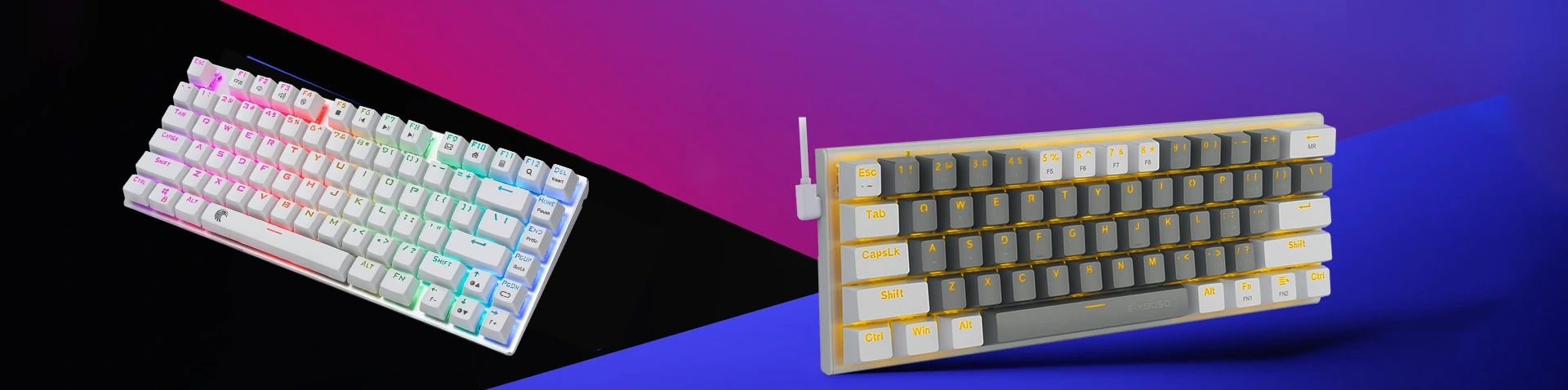
Layout Options: 60%, 65%, 75%, TKL (Tenkeyless), or Full-Size
Switch Type: Linear / Tactile / Clicky Mechanical Switches
Switch Lifespan: 50 Million – 100 Million Keystrokes
Keycap Material: Double-Shot PBT or High-Quality ABS
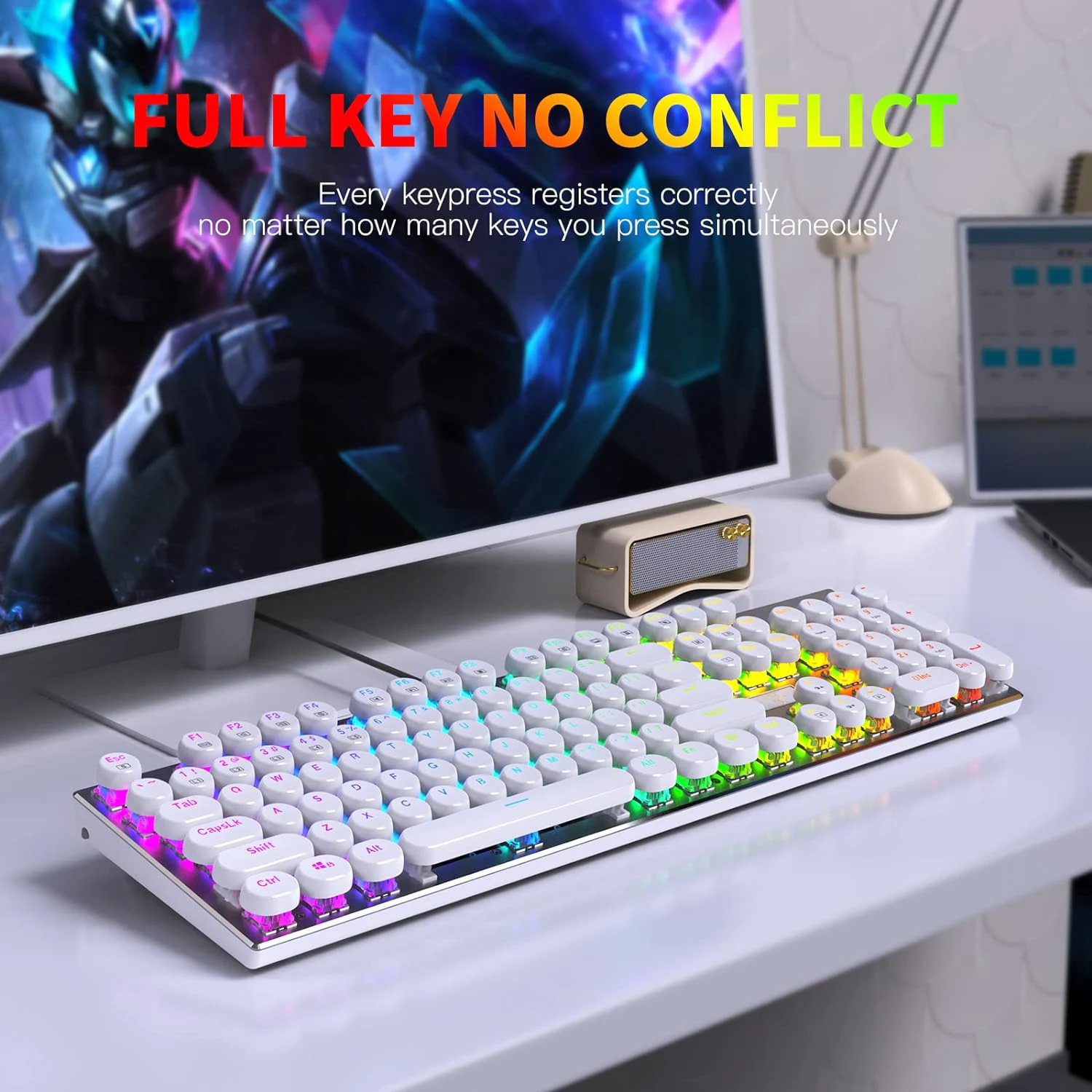
Backlight: Full RGB Per-Key Lighting
Connectivity: Wired USB-C / Wireless 2.4GHz / Bluetooth 5.0
Polling Rate: Up to 1000Hz for ultra-fast response
Anti-Ghosting: Full N-Key Rollover Support
Compatibility: Windows / macOS / Linux / Gaming Consoles
Cable: Detachable USB-C Braided Cable
Frame Material: Aluminum Alloy or Reinforced ABS
Dimensions: Compact ergonomic layout for desk optimization
Weight: Balanced structure for stability and portability
These features ensure that a Mechanical keyboard delivers exceptional typing accuracy, gaming performance, and long-term durability.
Advantages of Using a Mechanical Keyboard
Superior Typing Experience
One of the main reasons users upgrade to a Mechanical keyboard is the improved typing experience. The tactile feedback helps users recognize when a key has been activated, reducing typing errors and increasing speed.
Many professionals report improved typing comfort during long work sessions.
Exceptional Durability
A typical membrane keyboard lasts around 5 million keystrokes, while a Mechanical keyboard can easily exceed 50 million keystrokes. This durability makes mechanical keyboards a long-term investment.
Customization and Personalization
Mechanical keyboards offer extensive customization options, including:
Interchangeable keycaps
Switch replacement (hot-swappable designs)
Programmable macros
RGB lighting customization
Adjustable typing angles
Users can tailor their keyboard to match both their workflow and aesthetic preferences.
Enhanced Gaming Performance
Gamers prefer mechanical keyboards due to their fast actuation and precision. Features like N-key rollover and anti-ghosting technology allow multiple keys to be pressed simultaneously without missed inputs.
This is particularly important for competitive gaming scenarios where milliseconds matter.
Mechanical Keyboard Layout Options
Modern keyboards are available in various layouts to suit different user preferences.
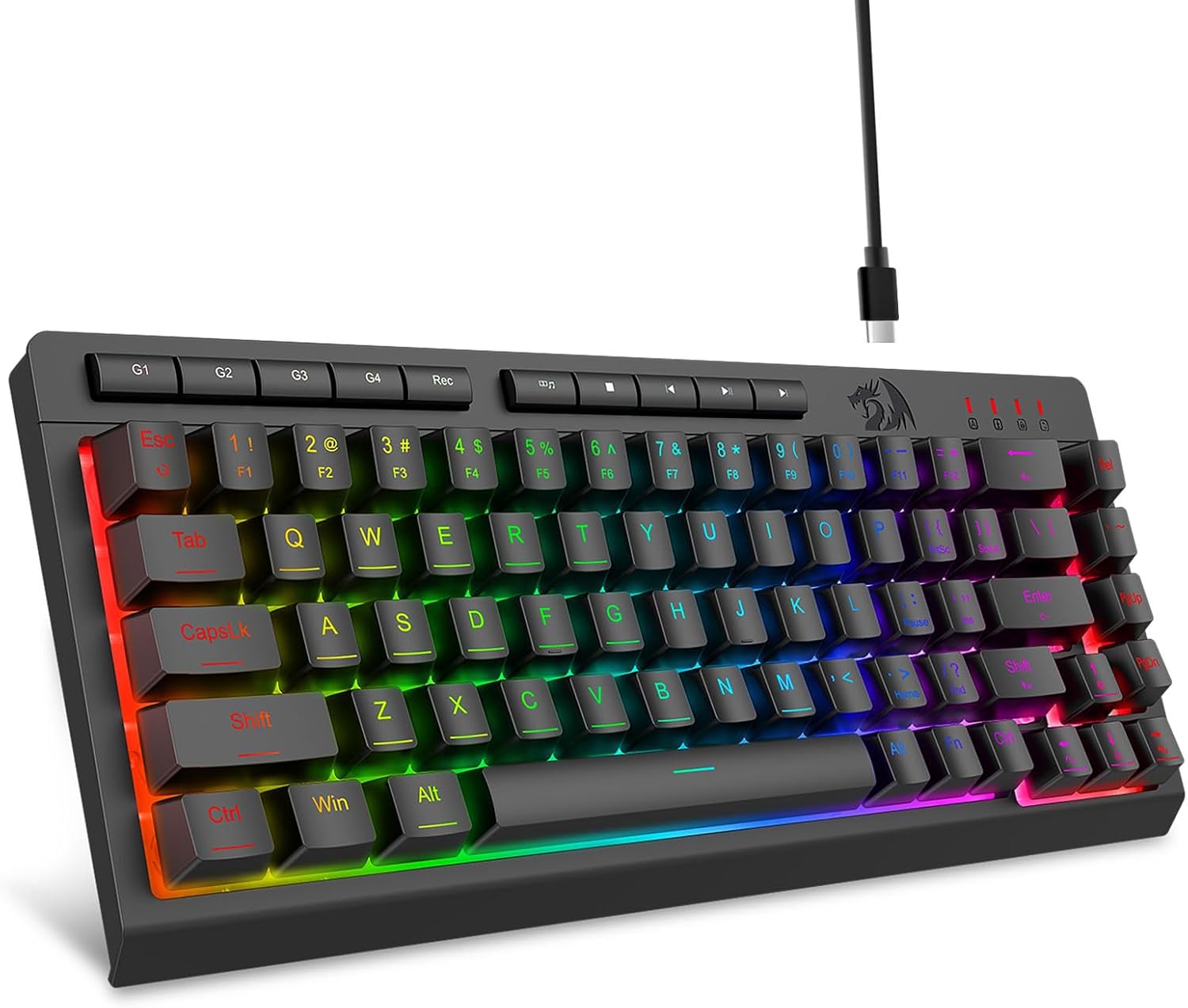
60% Keyboard
Ultra-compact design without function row or number pad, ideal for portability.
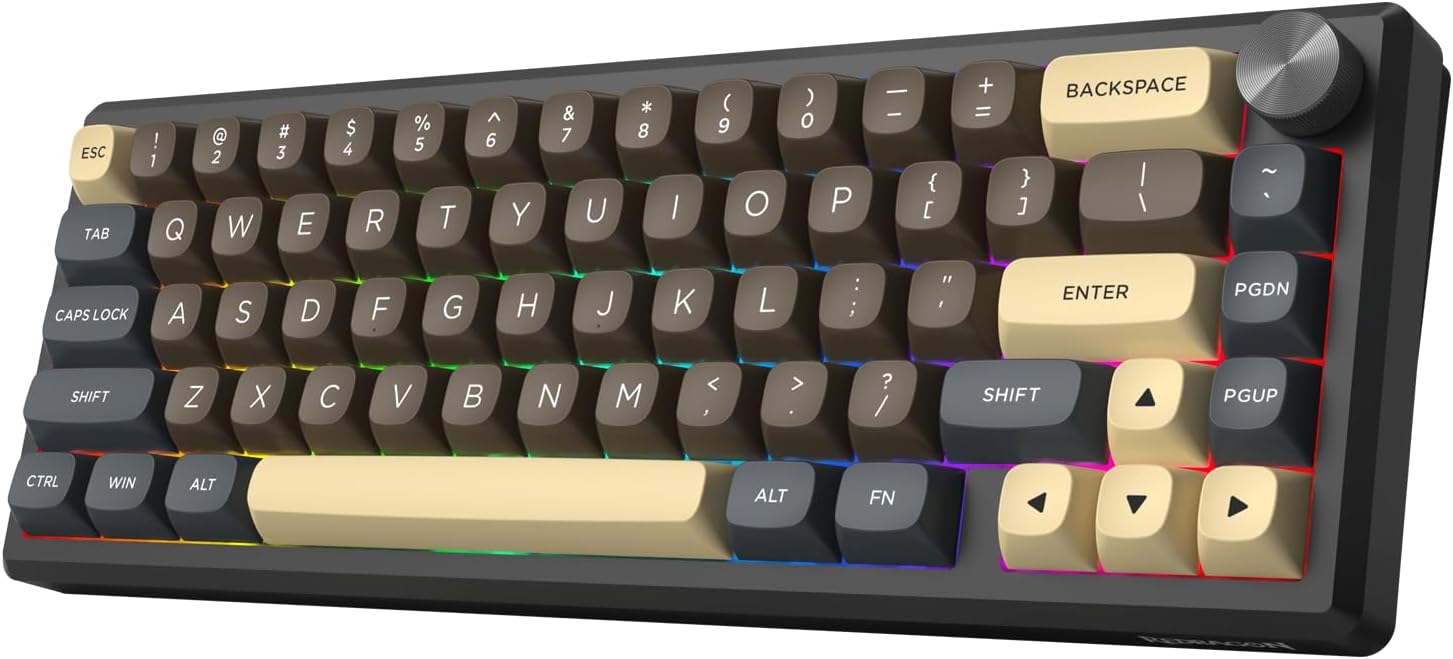
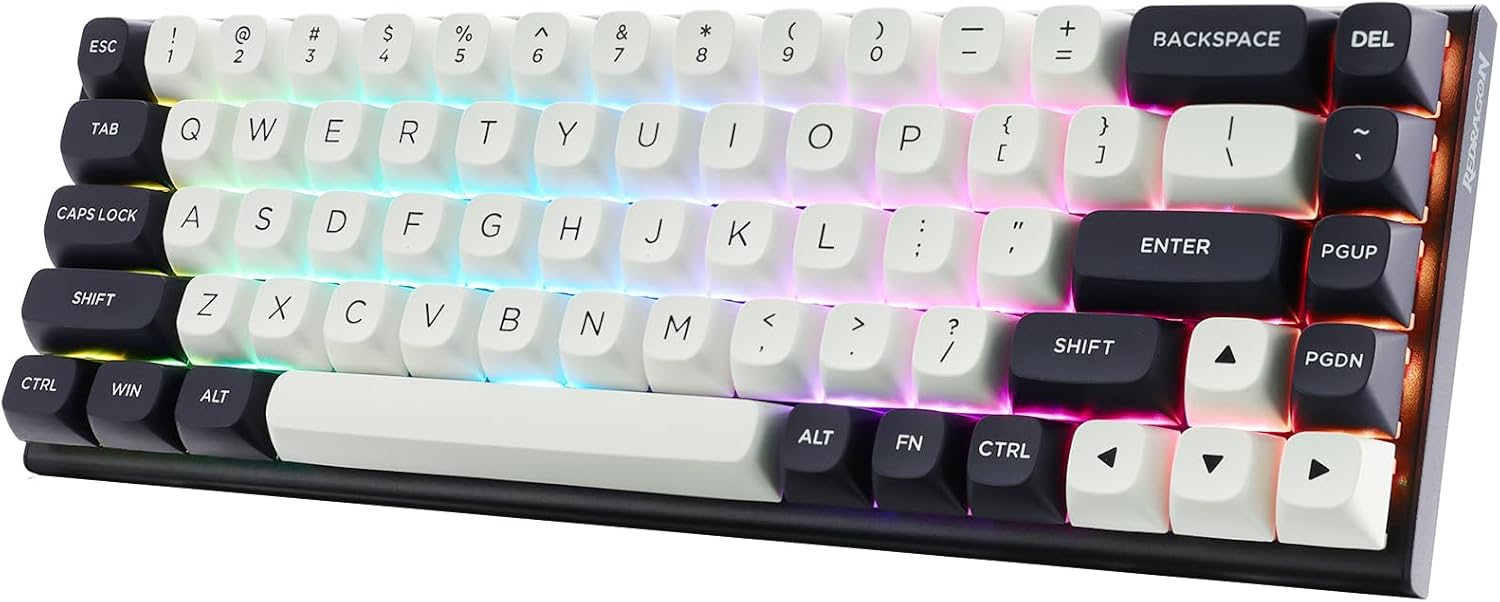
65% Keyboard
Adds arrow keys while maintaining a compact footprint.
75% Keyboard
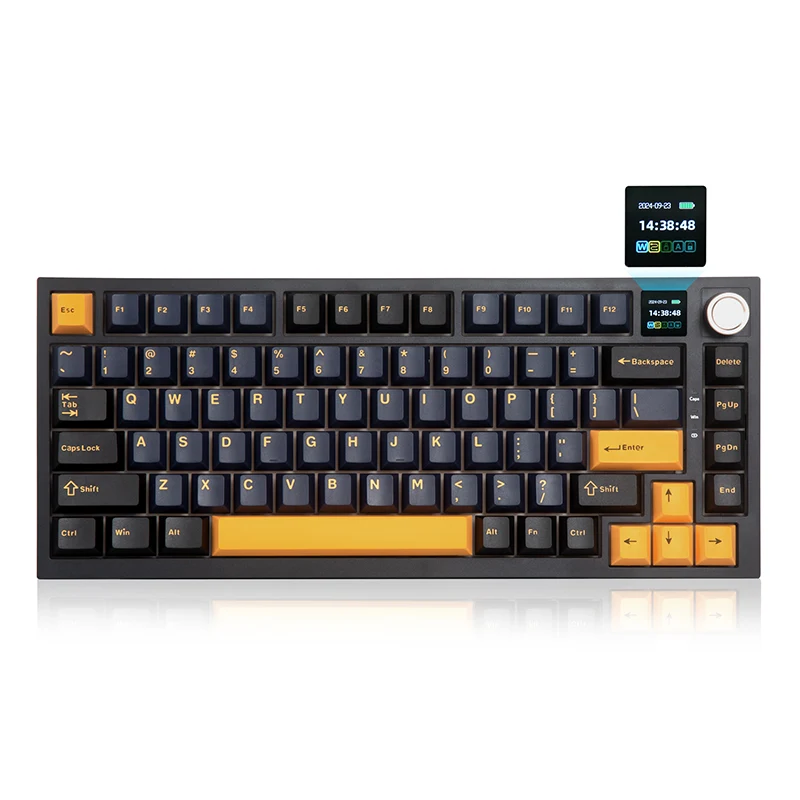
Includes function keys while preserving a streamlined layout.
Tenkeyless (TKL)
Removes the number pad but retains the function row and navigation cluster.
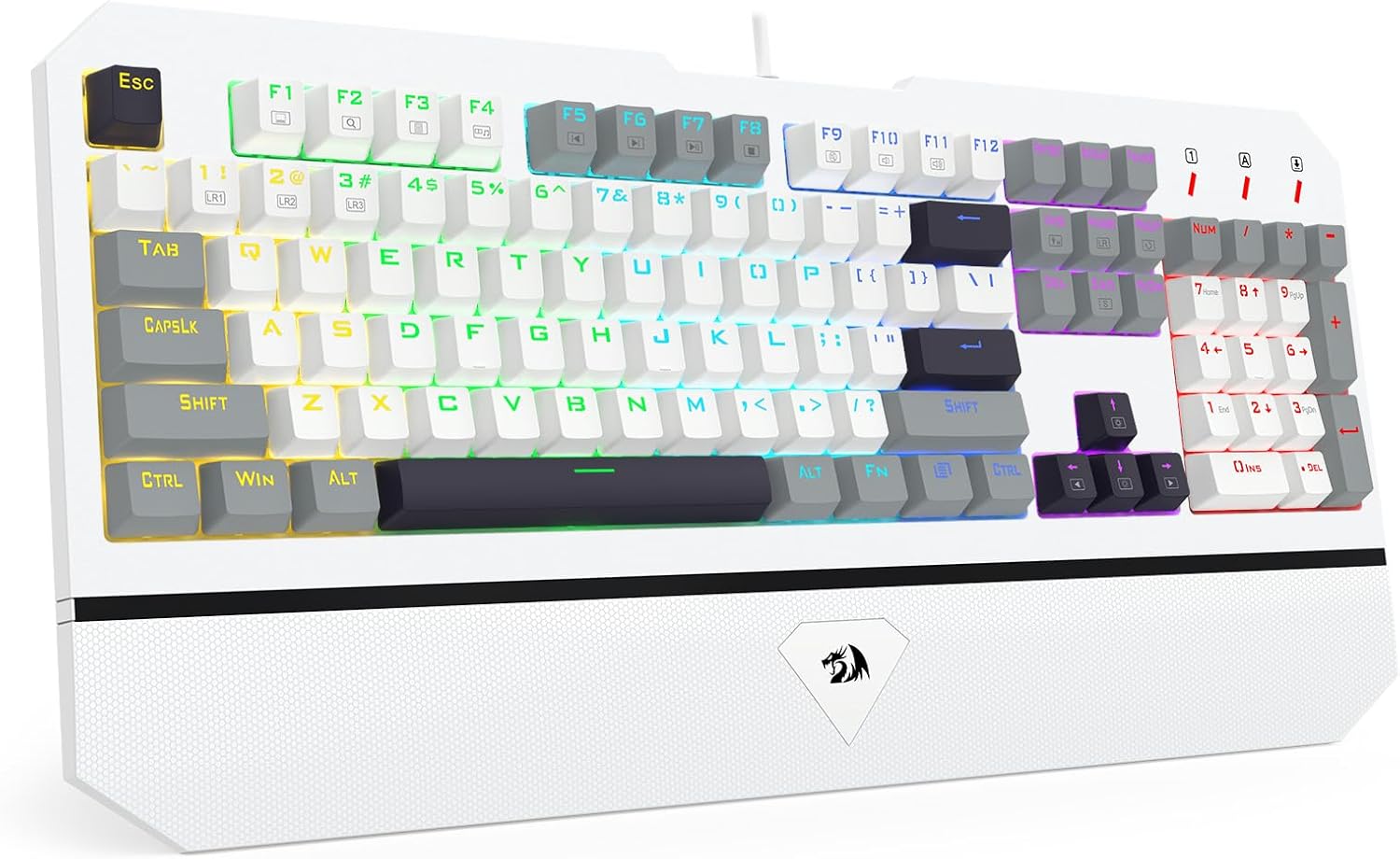
Full-Size Keyboard
Includes all keys including number pad, suitable for office work and data entry.
Each layout allows users to balance workspace efficiency with typing functionality.
RGB Lighting and Aesthetic Design
Modern Mechanical keyboard models often feature advanced RGB lighting systems. Users can customize lighting effects, brightness, and color patterns using dedicated software.
Popular lighting modes include:
Reactive typing effects
Wave patterns
Breathing modes
Static color themes
Game-specific lighting profiles
RGB lighting enhances both functionality and desk aesthetics.
Ergonomic Benefits
Long typing sessions can cause strain and fatigue. Mechanical keyboards are designed with ergonomic considerations such as:
Adjustable tilt angles
Sculpted keycap profiles
Comfortable key travel
Wrist support compatibility
These design elements help maintain natural wrist positioning and improve long-term comfort.
Mechanical Keyboard Maintenance Tips
Proper maintenance ensures that a Mechanical keyboard continues to perform at its best.
Recommended practices include:
Regular cleaning using compressed air to remove dust and debris.
Removing keycaps periodically for deep cleaning.
Using a keyboard cover when not in use.
Avoiding liquid exposure to protect internal components.
With proper care, a high-quality mechanical keyboard can last for many years without performance degradation.
Mechanical Keyboard FAQ
What makes a Mechanical keyboard better than a membrane keyboard?
A Mechanical keyboard uses individual mechanical switches for each key, providing better tactile feedback, faster response time, and significantly longer lifespan compared to membrane keyboards. Mechanical switches are more durable and accurate, which improves both typing performance and gaming precision. Many users also prefer the customizable nature of mechanical keyboards, allowing them to select different switches and keycaps to match their personal typing style.
Are Mechanical keyboards good for typing and office work?
Yes, a Mechanical keyboard is widely considered one of the best options for typing and professional office use. The tactile feedback helps users maintain consistent typing rhythm and reduces typing mistakes. Many writers, programmers, and data professionals choose mechanical keyboards because they offer greater comfort and accuracy during long work sessions. Additionally, ergonomic layouts and customizable keycaps allow users to optimize their keyboard setup for productivity.
How long does a Mechanical keyboard last?
A high-quality Mechanical keyboard can last between 5 and 10 years, depending on usage and maintenance. Most mechanical switches are rated for 50 to 100 million keystrokes, which is far beyond the lifespan of typical membrane keyboards. Because individual switches can sometimes be replaced, many mechanical keyboards remain functional for even longer periods, making them a cost-effective long-term investment.
Are Mechanical keyboards loud?
The noise level of a Mechanical keyboard depends largely on the switch type used. Clicky switches produce a noticeable clicking sound, while tactile switches generate moderate feedback noise. Linear switches are typically much quieter because they do not have a tactile bump or click mechanism. Users who prefer a quieter environment can also use sound-dampening keycaps, desk mats, or silent switches to reduce typing noise.
Do Mechanical keyboards improve gaming performance?
Yes, many gamers prefer using a Mechanical keyboard because of its faster actuation, precise input detection, and anti-ghosting capabilities. These features ensure that every key press is accurately registered, even when multiple keys are pressed simultaneously. The improved responsiveness can make a noticeable difference in competitive gaming, where reaction time and precision are crucial.
Conclusion
A Mechanical keyboard represents a powerful upgrade for anyone seeking improved typing performance, gaming responsiveness, and long-term durability. With advanced mechanical switches, customizable layouts, durable materials, and modern RGB lighting systems, these keyboards provide a premium typing experience that standard keyboards simply cannot match.
Whether used for professional work, gaming, or everyday productivity, investing in a high-quality Mechanical keyboard ensures enhanced comfort, precision, and reliability for years to come.